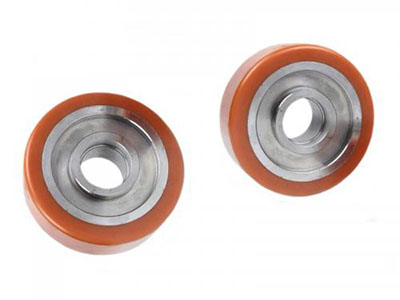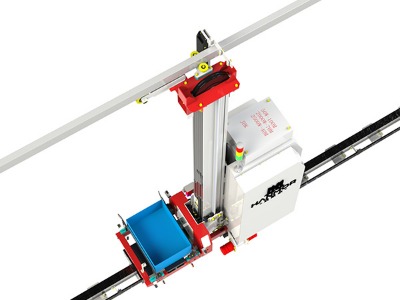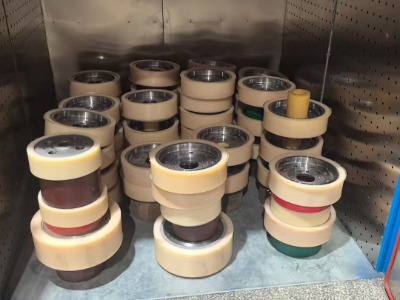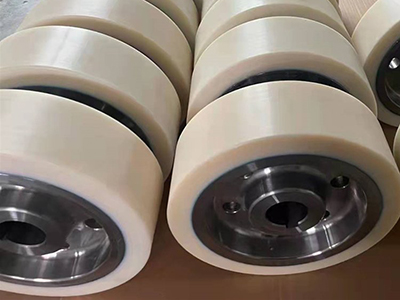
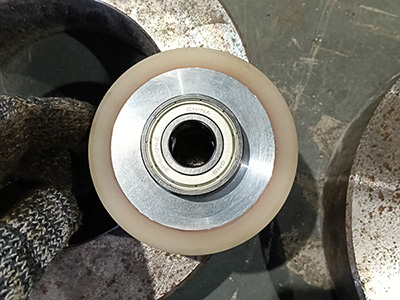
In automated warehousing systems, the operational efficiency of a stacker crane largely depends on the reliability of its travel wheels. From cold storage at -30°C to industrial production environments at 50°C, variations in ambient temperature and chemical conditions require polyurethane wheels to feature specialized formulations and manufacturing processes.
1. Material Formulation Adjustments for Specific Applications
The physical properties of polyurethane can be modified by altering the prepolymer structure to suit specific operational environments:
Low-Temperature Environments (-30°C): Conventional polyurethane tends to increase in hardness rapidly at low temperatures, leading to brittleness or insufficient friction. Customized low-temperature formulations maintain necessary elasticity and toughness under extreme cold. This not only prevents tread cracking but also ensures adequate grip, reducing positioning deviations during the crane's start-up and braking phases.
High-Temperature and Chemical Environments (50°C): In high-temperature settings, polyurethane is susceptible to thermal softening or "creep". For these environments, high thermal-stability formulations are required to maintain the wheel's geometric stability during high-frequency operation. Additionally, for scenarios involving contact with oils or chemical media, enhancing the material's anti-swelling properties can effectively extend service life.
2. Bonding Technology Between Wheel Core and Polyurethane
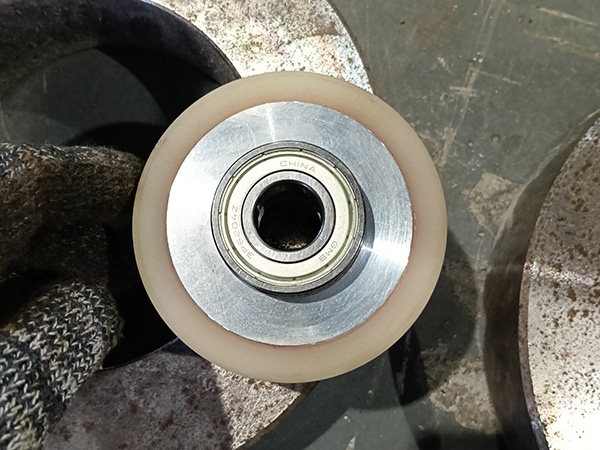
During frequent start-stop cycles, the travel wheels are subjected to continuous shear stress. Ensuring a secure bond between the polyurethane layer and the metal wheel core is central to the product's structural design.
Physical Pre-treatment: The surface of the metal wheel core undergoes precision sandblasting to remove surface oxides and increase roughness, thereby enhancing mechanical interlocking.
Chemical Bonding Process: Professional primers are utilized to establish chemical bonds between the core and the polyurethane. This molecular-level connection is capable of withstanding high-intensity torque transitions.
Controlled Thermal Vulcanization: Precise temperature and timing during the vulcanization process ensure that the shear strength of the bonding interface meets technical specifications, preventing debonding during operation.
3. Operational Reliability and Maintenance Costs
Selecting travel wheels adapted to the environment is essential for enhancing overall system stability. Low rolling resistance formulations help reduce motor loads, while superior wear resistance decreases the frequency of replacements. Through precise alignment of technical parameters, enterprises can effectively control unplanned equipment downtime and optimize long-term operational costs.