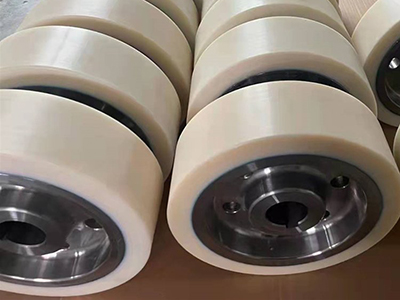
“Achieve zero-debonding performance for Stacker Caster Wheels through a rigorous 6-stage bonding process and low-free NDI technology.”
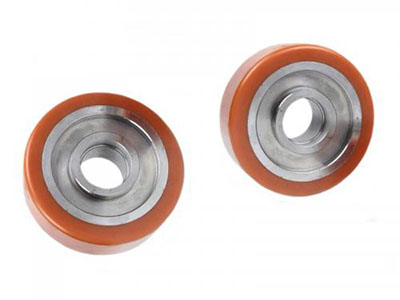
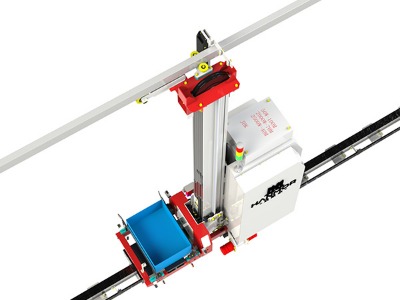
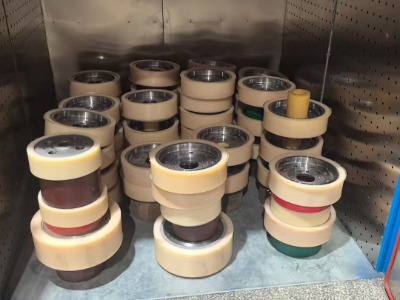
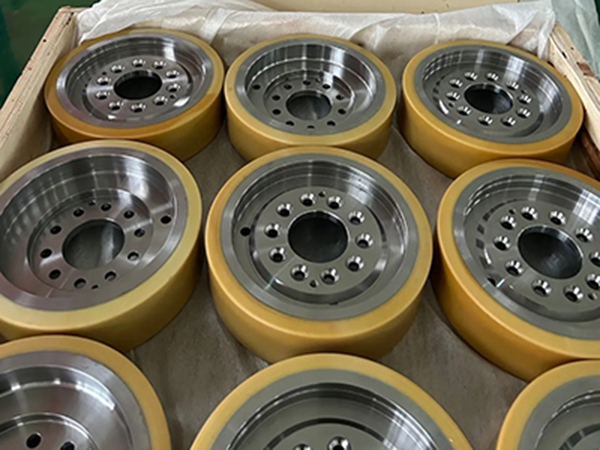
In high-frequency intralogistics environments, the reliability of Stacker Caster Wheels is a critical factor in minimizing equipment downtime. One of the most prevalent failure modes in these components is debonding—the separation of the polyurethane elastomer from the metal core. This report analyzes the technical countermeasures, specifically focusing on advanced bonding processes and material selection for Caster Wheels for Stacker applications.
Causes of Debonding in Industrial Environments
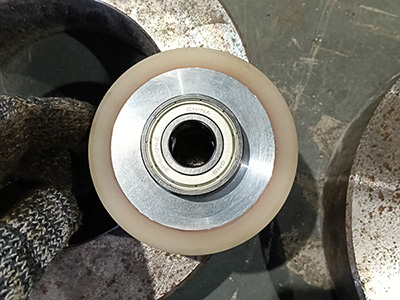
For a Stacker Caster Wheel to maintain structural integrity, the interface between the polyurethane (PU) and the hub must withstand intense shear stress. Failure typically occurs due to:
1. Heat Build-up: Polyurethane generates internal heat during continuous rolling. If temperatures exceed the adhesive’s stability threshold (often near 80°C), the chemical bond weakens.
2. Hydrolytic Degradation: In environments with 60°C heat and moisture, standard TDI/MDI systems without hydrolysis resistance are prone to interface failure.
3. Contamination: Trace amounts of silicone or oils during the Caster Wheels for Stacker manufacturing process can reduce bonding strength by over 50%.
Precision Bonding Process: From Surface to Bond
To eliminate debonding risks, a rigorous six-stage chemical treatment is implemented:
1. Mechanical Roughening: Sandblasting increases the microscopic surface area to enhance mechanical interlocking.
2. Chemical Degreasing: Ultrasonic cleaning ensures the metal hub is 100% free of oils and residues.
3. Primer Application: A specialized thin-film primer acts as a molecular "anchor" between the metal and the adhesive.
4. Adhesive Coating: Application of high-performance bonding agents (e.g., Chemlok series) specifically formulated for PU.
5. Thermal Preheating: Controlled drying ensures the adhesive layer reaches its optimal chemical state before casting.
6. Cross-linking Vulcanization: High-temperature curing triggers an irreversible chemical bond between the liquid PU and the treated core.
Material Selection and "Zero-Release Agent" Requirement
Optimizing Caster Wheels for Stacker involves moving beyond standard materials:
1. NDI/Low-Free Systems: These materials exhibit significantly lower heat build-up compared to conventional elastomers.
2. Mold Management: To ensure maximum purity, the production of high-load wheels avoids the use of silicone-based release agents, preventing any risk of interface contamination.
Conclusion
The durability of a Stacker Caster Wheel is not merely a result of material hardness but of a controlled bonding ecosystem. By integrating low-free prepolymer technology with a strict 6-stage surface treatment, manufacturers can ensure consistent performance in 60°C+ operational environments without the risk of catastrophic debonding.