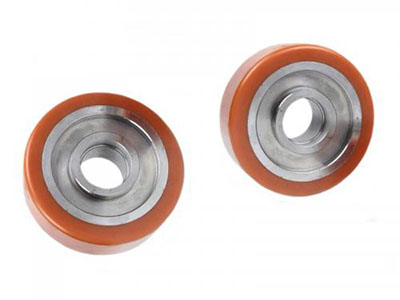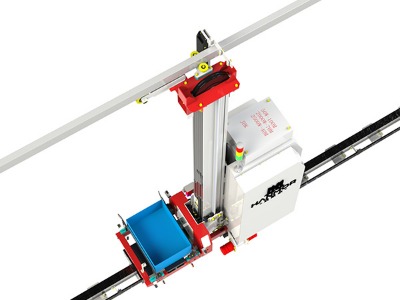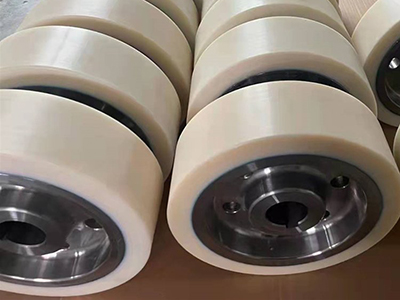
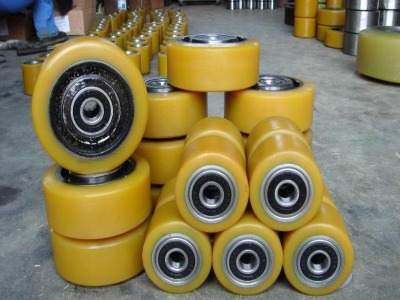
In modern warehousing and logistics systems, the stacker serves as the critical link between the racking and the floor. As the ultimate bearer of the equipment's load, the performance of the load wheel directly determines operational safety and efficiency.
Faced with vastly different operating environments, a "one-size-fits-all" wheel often falls short. This article analyzes how to achieve cost reduction and efficiency gains by optimizing load wheel solutions in three typical scenarios: cold storage, high-frequency logistics, and silent workshops.
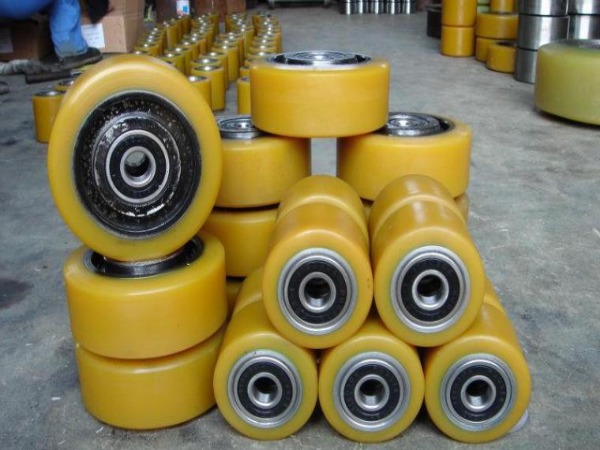
I. Extreme Cold Storage: Low-Temp Resilience to Prevent "Brittleness" and "Slipping"
In cold storage environments at -30 ℃ or even lower, standard polyurethane materials quickly harden and lose their necessary elasticity. This not only leads to tread cracking (brittleness) but also increases the risk of equipment skidding due to a loss of grip.
Core Technology: Low-Temp Resilience
We utilize a specially modified low-temperature polyurethane formula to ensure the material maintains a stable Shore hardness even in ultra-cold conditions.
Application Results:
Superior Grip: Maintains an excellent coefficient of friction even on frost-covered floors, ensuring precise braking.
Crack Resistance: Prevents stress cracking caused by low temperatures, significantly extending the maintenance cycle of cold chain logistics equipment.
II. High-Frequency Automated Logistics: Thermal Stability to Eliminate "Internal Blow-out"
In automated logistics centers operating 24/7, stackers undergo frequent acceleration and braking. Under high-speed, repetitive compression, the internal structure of the load wheel generates significant heat through molecular friction. Poor heat dissipation can lead to "Blow-out" (internal thermal failure), causing the tread to de-bond from the hub.
Core Technology: Thermal Stability
By incorporating high-performance elastomers with low hysteresis, we reduce heat accumulation at the source during operation.
Application Results:
High-Speed Endurance: Even under full-load and high-speed travel, the wheel’s temperature remains within a safe range.
De-bonding Prevention: Combined with high-strength hub bonding technology, this completely solves the problem of tread separation in heavy-duty, high-frequency applications.
III. Pharmaceutical Silent Workshops: Dynamic Noise Reduction for a Protected Environment
In indoor environments such as pharmaceutical, electronic, or food processing workshops, noise pollution is a critical metric for occupational health. The roar of standard hard wheels on the floor is often the primary source of facility noise.
Core Technology: Dynamic Noise Reduction
By optimizing the balance between material resilience and hardness, the wheel body achieves excellent vibration-damping properties, effectively absorbing micro-shocks from the floor.
Application Results:
Silent Operation: Operating noise levels are reduced by approximately 15-20% compared to conventional products.
Floor Protection: The flexible contact surface not only minimizes noise but also prevents wear and tear on epoxy resin floors during high-frequency operations.
Summary
Low-Temp Resilience, Thermal Stability, and Dynamic Noise Reduction—these three keywords form our core competitiveness for complex operating conditions. A premium load wheel solution does more than just support weight; it provides robust and lasting momentum for your logistics system in any extreme environment.