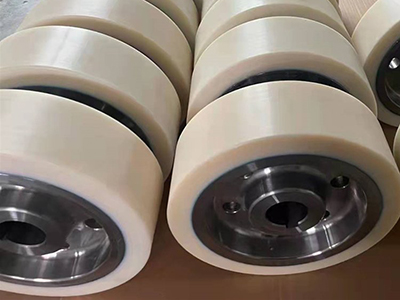
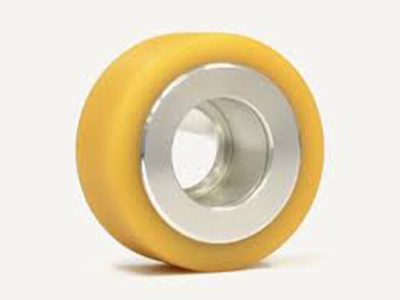
In the world of warehousing and logistics, the electric stacker is a vital tool for maximizing vertical space. However, the wheels are the "shoes" of the machine—they directly determine operational efficiency, noise levels, and floor preservation. Selecting the right wheels is essential for ensuring stability, traction, and a long service life.
1. Core Wheel Configuration
A typical electric stacker consists of three primary types of wheels:
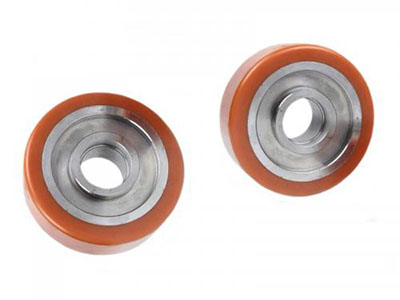
Drive Wheel: The "heart" of the movement, responsible for providing power and steering. It requires high friction and excellent wear resistance.
Load Wheels: Located under the forks, these bear the brunt of the cargo weight. They are often designed as tandem (double) wheels to distribute pressure evenly.
Stabilizer Wheels: Positioned on either side of the drive wheel, these prevent tipping during sharp turns or high-level lifting.
2. Material Comparison: Pros & Cons
Choosing the right material depends entirely on your working environment. Here is a breakdown of the three industry standards:
Material | Pros | Cons | Best Suited For |
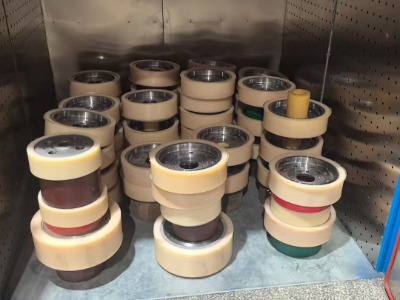
Polyurethane (PU) | Wear-resistant, silent, non-marking, low rolling resistance. | Higher cost, sensitive to high heat. | The Industry Standard: Epoxy floors, standard indoor warehouses. |
Nylon | Extremely hard, very low starting resistance, chemical resistant. | Noisy, can damage floors, poor traction. | Chemical plants, cold storage, or wet/slippery environments. |
Rubber | Excellent grip, superior shock absorption. | Leaves black marks, high rolling resistance. | Uneven outdoor surfaces or areas requiring maximum slip resistance. |
3. Key Selection Criteria
When purchasing or replacing wheels, consider these four critical factors:
Floor Condition: For smooth, coated floors, Polyurethane is the best choice to prevent damage. For rough concrete, look for heavy-duty reinforced PU.
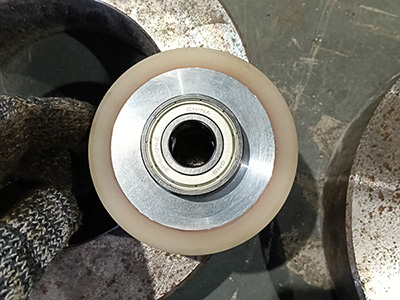
Load Capacity: Ensure the wheel's rated capacity exceeds the maximum weight of the cargo plus the vehicle itself. Overloading leads to "debonding" (where the tread separates from the metal core).
Temperature: In cold storage environments (as low as -25°C), specialized low-temperature resistant compounds are required to prevent the material from cracking.
Hardness (Shore A): Most stacker wheels are rated around 93°A, offering a perfect balance between durability and elasticity.
Summary
Investing in high-quality wheels not only makes your electric stacker run smoother but also significantly reduces long-term operational costs. Polyurethane remains the "gold standard" for modern logistics due to its versatility and floor-friendly properties.
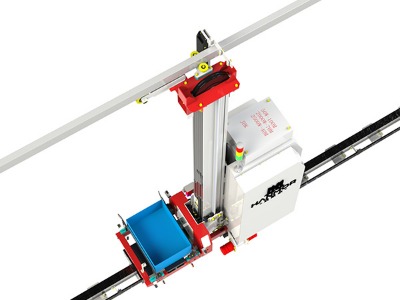
Our high-performance polyurethane wheels are precision-engineered for automated stacker cranes and shuttle systems, compatible with leading AS/RS warehouse solutions like Daifuku, Dematic, SSI Schaefer, Swisslog, and TGW.