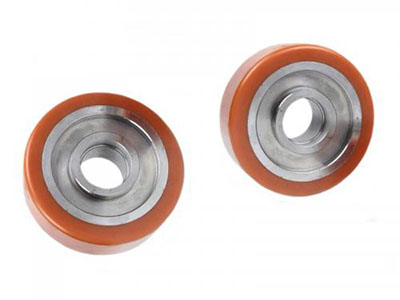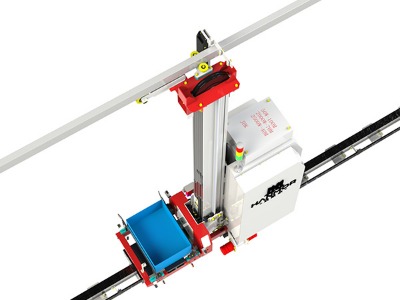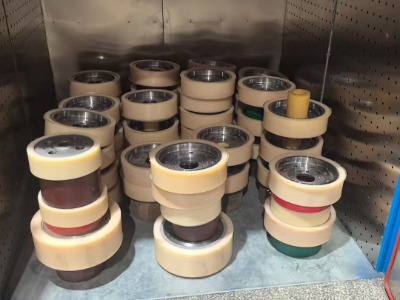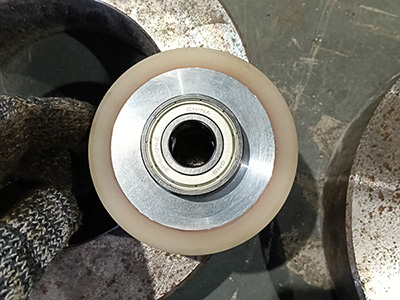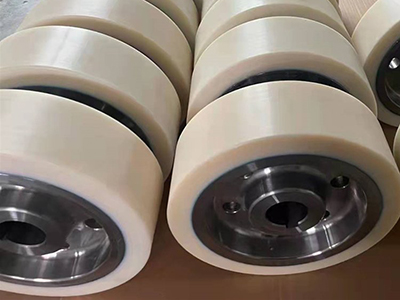
“Polyurethane wheels outperform rubber and plastic in load capacity and durability. ”
Is Polyurethane Expensive for Wheels?
Polyurethane (PU) is not merely a type of plastic or rubber; it is an elastomer that combines the structural rigidity of plastic with the high elasticity of rubber. Its higher unit price stems from several "crushing" advantages in the following three dimensions:
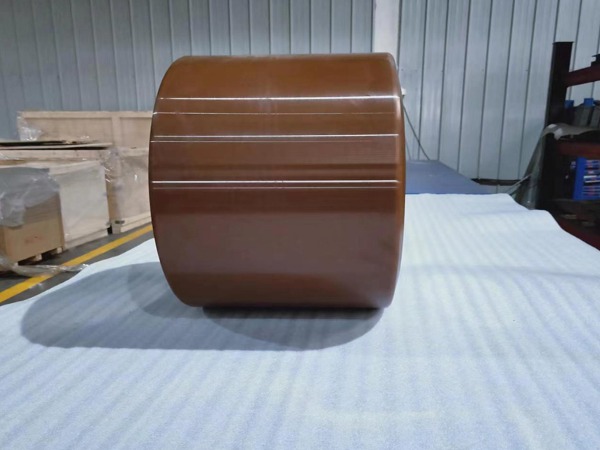
1. Superior Physical Performance
Extreme Wear Resistance: Experimental data shows that the abrasion resistance of polyurethane is typically 3 to 5 times that of natural rubber. In high-friction environments where rubber wheels might need replacement every six months, PU wheels can serve for several years.
Load-Bearing Capacity: Under the same specifications, the load capacity of polyurethane is significantly higher than that of rubber. It resists permanent deformation under heavy loads, ensuring the long-term stability of the equipment.
2. Floor Protection and Environmental Adaptability
Non-Marking Operation: A major pain point of rubber wheels is the tendency to leave black carbon marks on light-colored floors. Due to its chemical stability, polyurethane is non-marking, effectively protecting expensive epoxy floors from damage.
Noise Reduction and Shock Absorption: Compared to hard and noisy nylon (plastic) wheels, polyurethane absorbs vibration more effectively, providing a much quieter operation.
3. Resilience and Rolling Resistance
Polyurethane possesses excellent rebound properties, which means minimal energy loss during compression and rolling.
Technical Insight: Lower rolling resistance means that for the same load, manual pushing or motor-driven propulsion requires less effort. This directly reduces long-term operational energy costs and operator fatigue.
How to Distinguish "High-Quality" from "Cheap" Polyurethane?
The polyurethane market is flooded with low-quality products that reduce costs by incorporating scrap materials or altering manufacturing processes. To ensure you are buying high-value products, pay attention to these three technical details:
Benefits of Cast Polyurethane vs Injection Molded TPU
This is the primary dividing line for both price and performance:
Cast Polyurethane (CPU): Produced through a liquid chemical reaction using MDI or TDI systems. This process results in longer molecular chains, offering extreme wear resistance and tear strength. It is designed for heavy-duty loads and carries a higher price tag.
Injection Molded (TPU): Formed by heating granules and injecting them into a mold, similar to standard plastic production. While production is fast and costs are low, it has inferior temperature resistance and load capacity. It is prone to debonding (peeling away from the core) under heavy pressure and is only suitable for light-duty applications.
2. Shore Hardness
Polyurethane wheels typically range between Shore 70A and 95A hardness.
Higher Hardness: Greater load capacity and easier to push, but results in more vibration on uneven surfaces.
Lower Hardness: Better grip and superior noise reduction, but with slightly higher rolling resistance.
The Trap: Inferior polyurethane often uses cheap fillers to achieve a target hardness. This makes the material brittle, leading to "chunking" or cracking shortly after being put into service.
3. Wheel Core Material Selection
The polyurethane is only the "tire" surface; the core determines the overall lifespan of the wheel:
Cast Iron/Steel Core: Highest cost, designed for extreme heavy-duty loads.
Aluminum Core: Offers a balance of lightweight and excellent heat dissipation (which prevents the PU from debonding due to overheating).
Plastic Core (Nylon/PP): Lowest cost, suitable only for light loads or highly corrosive/humid environments.
Ready to optimize your fleet's efficiency? Don't let cheap wheels stall your operations. Contact our engineering team today for a free load-capacity analysis and find the perfect polyurethane formula for your specific floor type. [Get a Professional Consultation]