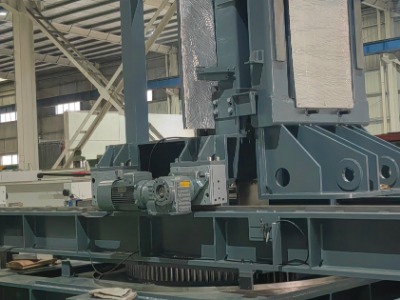
In the competitive landscape of Automated Storage and Retrieval Systems (AS/RS), the performance of a stacker crane is only as reliable as its travel unit. The Demag DRS Wheel Block System has emerged as the global industry standard, offering a modular, high-precision solution for modern warehouse logistics.
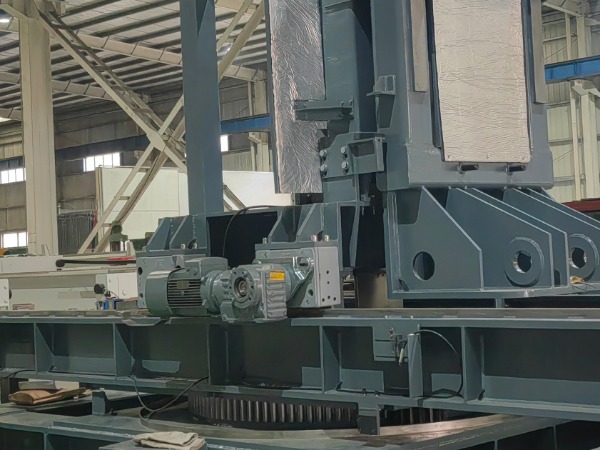
Modular Engineering: The Core of Demag DRS Technology
The primary advantage of the DRS system lies in its integrated modular design. Unlike traditional custom-welded assemblies, the DRS is a pre-engineered travel unit that combines the wheel, bearings, and housing.
1. Versatile Five-Side Connection
The DRS housing is precision-machined on five sides, providing unparalleled mounting flexibility. This allows stacker crane manufacturers to bolt the unit directly to the chassis from multiple orientations, significantly reducing engineering complexity.
2. High-Grade Material Construction
Engineered for durability, the housings are available in high-strength spheroidal graphite cast iron (GGG 70) or premium aluminum, ensuring the system can withstand the rigorous dynamic forces of high-speed warehouse operations.
Key Performance Benefits for Stacker Crane Applications
Integrating the DRS system into a stacker crane (AS/RS) setup provides several technical advantages that directly impact the warehouse's bottom line.
1. High-Speed Stability and Precision
Modern stacker cranes often operate at speeds exceeding 200 m/min. The DRS system utilizes high-quality roller bearings to ensure minimal rolling resistance. This precision reduces energy consumption and ensures smooth, vibration-free travel even at peak acceleration.
2. Scalable Load Capacities (Up to 40 Tons)
Whether you are designing a "Miniload" system for small parts or a heavy-duty pallet AS/RS, the DRS range covers all requirements:
DRS 112 to 200: Optimized for high-speed shuttles and light-duty cranes.
DRS 250 to 500: Heavy-duty variants capable of supporting wheel loads up to 40.000 kg.
3. Patented Laser Alignment for Reduced Maintenance
One of the most common issues in AS/RS is "rail gnawing" or premature flange wear. Demag’s patented laser alignment tool allows for the perfect synchronization of wheel blocks during installation, ensuring the crane travels in a perfectly straight line and extending the life of the entire rail infrastructure.
Technical Specifications and Drive Compatibility
The DRS system is designed to work in harmony with advanced drive technologies.
Feature | Specification Details |
Wheel Material | Spheroidal graphite cast iron (Self-lubricating) |
Temperature Range | -20 ℃ to +150 ℃ |
Drive Integration | Offset (A) and Angular (W) Gear Motors |
Load Range | 27 kN to 400 kN |
Why Industry Leaders Prefer DRS Over Traditional Solutions
Switching to a standardized wheel block system like the DRS offers a strategic advantage in Maintenance, Repair, and Operations (MRO).
Rapid Replacement: The "bolt-on" nature of the DRS means a wheel can be replaced in minutes without dismantling the crane's main structural components.
Self-Lubricating Wheels: The specific cast iron alloy used in Demag wheels creates a self-lubricating effect on the rail, reducing noise and eliminating the need for external grease systems.
Reduced R&D Costs: By using a proven, off-the-shelf component, manufacturers can reduce their total design and assembly time by up to 30%.
Conclusion: The Future-Proof Choice for AS/RS
The DRS Modular Wheel Block System is more than a component; it is a performance multiplier for automated warehouses. By choosing DRS, facility managers and crane OEMs ensure higher uptime, lower maintenance costs, and superior precision. Contact us!