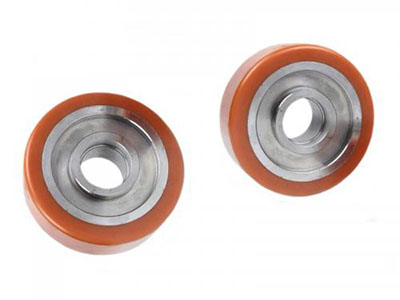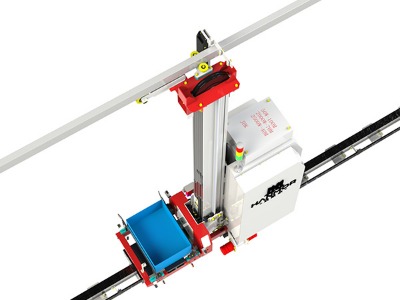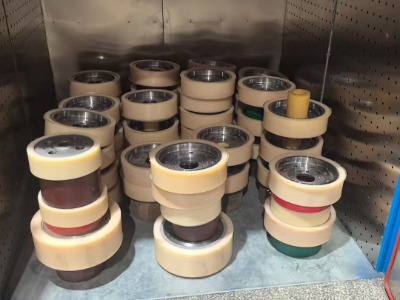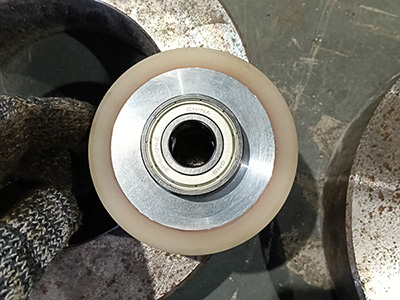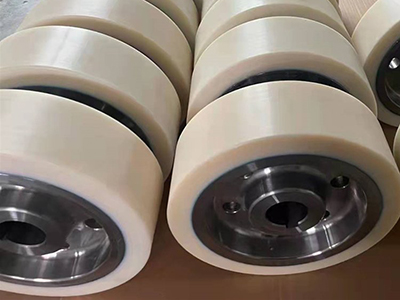
“High-performance polyurethane wheels, engineered with Vulkollan® and NDI/MDI, offer superior load capacity, wear resistance, and non-marking durability to optimize mobility in AGVs, stacker cranes, and smart factories.”
When selecting travel components for industrial systems, engineers and procurement specialists frequently ask three critical questions: How long does polyurethane last? Is it truly better than rubber? And why is it considered the premier material for wheels? At Mailun, we believe the answer lies in the intersection of material science and precision engineering.
1. How Long Does Polyurethane Last?
The lifespan of a polyurethane (PU) wheel is not a fixed number; it is a result of the environment, load, and material quality.
Standard Performance: In a typical indoor warehouse environment, a high-performance PU wheel (such as Mailun’s NDI/MDI-based wheels) typically lasts 3 to 5 times longer than a high-quality rubber wheel.
Key Factors Influencing Longevity:
Dynamic Heat: High speeds or continuous 24/7 operation generate internal heat. Premium materials like Vulkollan® are designed to dissipate this heat, preventing premature failure.
Floor Condition: While PU is extremely durable, rough or damaged concrete can accelerate wear. Running on smooth epoxy floors significantly extends the service life.
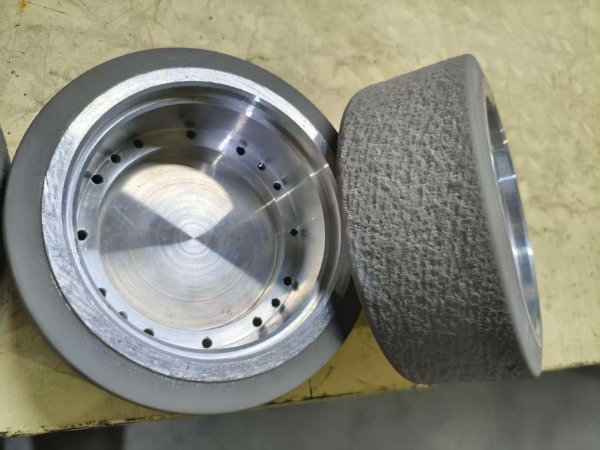
Load Management: Operating within the rated capacity ensures the polymer chains remain intact, preventing "debonding" (where the tire separates from the metal core).
2. Polyurethane vs. Rubber: Which is Better?
While rubber has its place, polyurethane is the clear winner for modern industrial automation and smart logistics.
Feature | Polyurethane (PU) | Rubber |
Load Capacity | Extreme. Can carry 2–3x the load of rubber in the same size. | Lower. Tends to deform significantly under heavy weight. |
Wear Resistance | Superior. Highly resistant to abrasion and tearing. | Moderate. Sheds dust and particles over time. |
Rolling Resistance | Low. Energy-efficient; extends AGV battery life. | High. Requires more power to move and accelerate. |
Floor Protection | Non-marking. Leaves no black streaks on floors. | Often leaves unsightly carbon marks. |
Chemical Resistance | Excellent resistance to oils, grease, and solvents. | Prone to swelling or degrading when exposed to oil. |
Noise/Vibration | Good. Provides a quiet, smooth ride. | Excellent. Very soft; offers maximum shock absorption. |
Verdict: If your application requires high load, high speed, and a clean environment (e.g., Stacker Cranes, AGVs, Cleanrooms), polyurethane is the undisputed choice. Rubber is only preferred for low-cost, light-duty applications where maximum shock absorption is the only priority.
3. Is Polyurethane Good for Wheels?
Absolutely. In fact, polyurethane is widely recognized as the optimal material for modern industrial wheels.
Precision Traction: Polyurethane offers a high coefficient of friction, providing the "grip" necessary for precise acceleration and braking. This is vital for the accuracy of DRS Wheel Block Systems.
Anti-"Flat Spot" Properties: Wheels left stationary under heavy loads often develop permanent flat spots. Mailun’s high-performance PPDI/NDI systems have excellent "rebound" elasticity, ensuring the wheel returns to its perfect circular shape instantly.
Versatility: Polyurethane is a chameleon material. By adjusting the chemical formulation, we can create wheels optimized for sub-zero cold storage, high-heat assembly lines, or anti-static semiconductor environments.
Conclusion
At Mailun, we specialize in pushing the limits of this material and custom solutions that ensure your operations remain "uninterrupted."