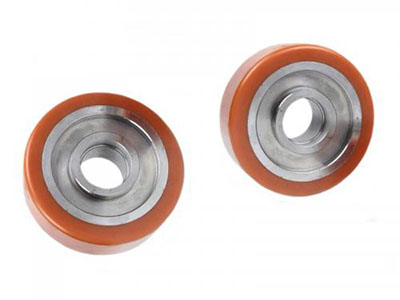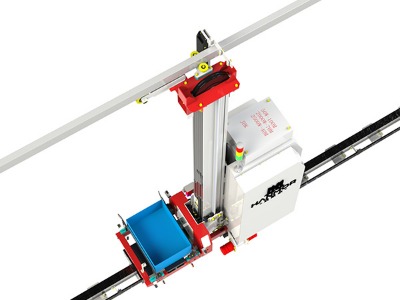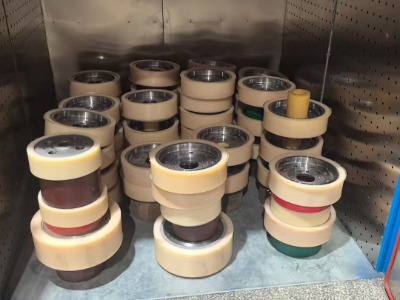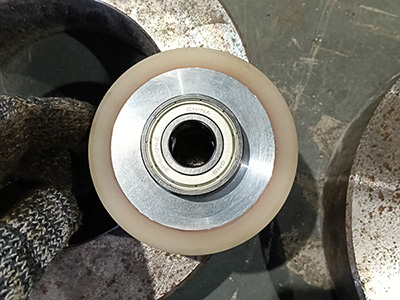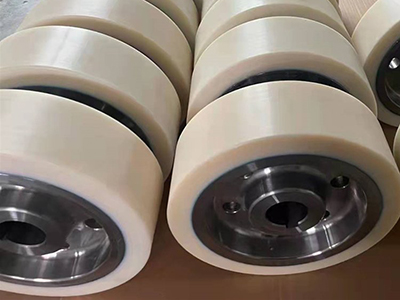
“Upgrade your Li-ion stacker drive wheels to achieve 18-24 month replacement cycles and 5-8% energy savings. Master the technical edge of heat inhibition and floor protection for intensive warehouse operations.”
By 2025. the penetration rate of Lithium-ion (Li-ion) technology in the global electric forklift market has reached record highs. However, many warehouse managers have noticed an unexpected trend: after switching to Li-ion stackers, drive wheel wear has accelerated significantly. This isn't a vehicle quality issue; it’s because Li-ion technology has fundamentally altered the physical characteristics and duty cycles of the equipment.
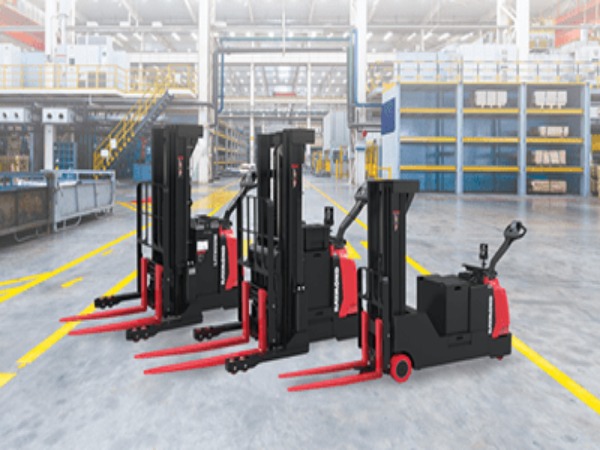
As the sole point of contact between the stacker and the ground, the drive wheel is facing unprecedented wheel pressure challenges.
1. Three Physical Variables Introduced by Li-ion Technology
A. Counterweight Imbalance
Traditional lead-acid batteries are massive and serve as a natural counterweight. Li-ion batteries, with their high energy density, weigh only $1/3$ (or less) of their predecessors. This weight reduction shifts the vehicle’s center of gravity. Consequently, during high-speed cornering or unladen travel, the drive wheel is subjected to significantly higher lateral shear forces.
B. High-Frequency Operation
Li-ion supports opportunity charging, eliminating long charging downtimes. With 24/7 continuous operation, drive wheels no longer have a cooling period. This leads to rapid heat buildup within the polyurethane structure.
C. Intensive Braking
Modern Li-ion systems rely heavily on aggressive regenerative braking. The instantaneous torque generated during frequent electrical braking places extreme demands on the drive wheel’s surface grip and tear resistance.
2. The Solution: Why High-Rebound Polyurethane is Non-Negotiable
Facing these challenges, standard polyurethane materials are proving insufficient. In 2025. leading component manufacturers are pivoting toward customized High-Rebound Polyurethane formulations.
I. Inhibiting Heat Build-up
High-rebound materials allow the molecular structure to return to its original shape almost instantly after compression, minimizing internal energy loss (hysteresis).
Technical Edge: This reduces rolling resistance and keeps the wheel temperature 15% to 20% lower during high-speed, continuous use, effectively preventing "de-bonding" caused by overheating.
II. Superior Anti-Flat Spot Performance
Despite the lower battery weight, Li-ion stackers carry immense pressure when fully loaded.
Technical Edge: Premium formulations ensure that even after sitting stationary with a load, the wheel does not develop a permanent flat spot. This ensures smooth startups and reduces the initial load on the drive motor.
3. TCO Analysis: Shifting from Purchase Price to Operational Value
In the precision-driven logistics landscape of 2025. Total Cost of Ownership (TCO) is the only metric that matters.
Metric | Standard Polyurethane Wheel | High-Rebound Upgrade |
Replacement Cycle | 6-9 Months | 18-24 Months |
Energy Efficiency | High rolling resistance | 5%-8% Energy Savings |
Floor Protection | Prone to black skid marks | Non-marking, tear-resistant |
Overall Value | High maintenance, high downtime | Higher upfront cost, massive long-term ROI |
Conclusion
The Li-ion revolution is driving the evolution of every single component in material handling. As the shoes of your stacker, drive wheel technology directly determines the efficiency ceiling of your automated or manual warehouse. Upgrading your polyurethane formulation isn't just about protecting the vehicle—it’s about securing a higher ROI in the competitive 2025 logistics market.